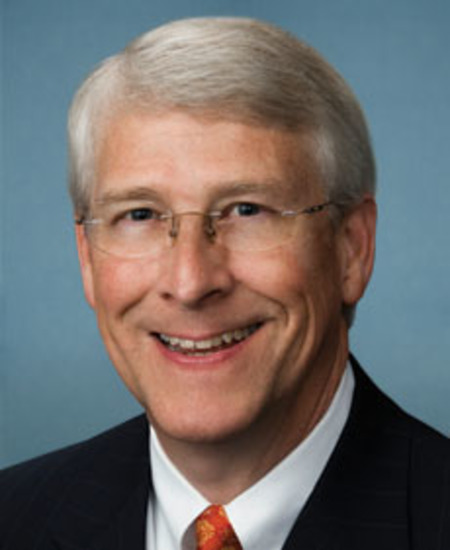
U.S. Senate — MS
S8MS00196When the regulator and the regulated share the same donors, you deserve to know.
Less than $1 / week · Cancel anytime
Voting records are public. Most people never look. Now you can.
Less than $1 / week · Cancel anytime
Some members of Congress made millions trading on what they knew. This shows you if yours did.
Less than $1 / week · Cancel anytime
The donors already know what they expect. Shouldn't you?
Less than $1 / week · Cancel anytime
Most voters never see this list. Now you can.
Less than $1 / week · Cancel anytime
See exactly who — and what they're spending to get in return.
Less than $1 / week · Cancel anytime
That’s ROGER. What about everyone else on your ballot?
Enter your ZIP to see every 2026 federal race you’ll actually vote in — with the same receipts on every name. Free, no account needed.
Every figure here traces to public government filings, refreshed nightly. Those records are filed as ranges, updated on a lag, and spread across sources that were never built to be searched together — so totals are close estimates, not exact to the dollar or the trade. We work continuously to surface the truest, most complete picture available on each candidate. See exactly how every number is computed →
This member sits on committees that regulate the same industries funding their campaign — the money in, the power they hold, and their record on that sector, side by side. Each figure traces to its public source. You decide.
Sits on: Senate Committee on Armed Services
This committee approves pentagon budgets and determines which weapons contractors get paid — a direct pipeline for defense industry lobbying.
Sits on: Senate Committee on Commerce, Science, and Transportation
This committee regulates the internet, broadband, telecommunications, and big tech — at&t, verizon, comcast, and google all lobby this committee heavily.
Sits on: Senate Committee on Environment and Public Works — Clean Air, Climate, and Nuclear Innovation and Safety
This committee controls drilling permits, pipeline approvals, and energy regulations.
See exactly who paid — and how they voted on it
Unlock the named donors behind each conflict and this member’s votes and bills on their issues.
Based on FEC disclosures, STOCK Act filings & congressional record · Nonpartisan
52% from PACs & party committees
$139K from PACs/party
2% outside/Super PAC money (Dark Money Potential)
$428K in outside spending
No committee/donor overlaps
Clean
7 trades — 3 filed late (STOCK Act violation)
43% late
40 recorded votes · 5 bills sponsored
40 votes
This measures what share of itemized contributions came from PACs and party committees versus individual citizens. Higher PAC concentration means organized interests have more access — and more leverage.
Independent expenditures (Super PAC spending) don't appear in a candidate's own fundraising, but are still spent to elect them. Super PACs disclose their donors — but that money often originates from 501(c)(4) ‘dark money’ nonprofits that never have to reveal their original funders, so the true source can stay hidden. A high share here means more of the campaign is bankrolled by outside groups, with real potential for undisclosed money behind them. Confirmed dark-money vectors are flagged separately below.
A conflict of interest exists when a lawmaker sits on a committee that regulates the same industry that funds their campaign. When the regulator and the regulated are financially connected, voters should ask: whose interests come first?
The STOCK Act requires Congress members to report personal stock trades within 45 days — because lawmakers who trade in industries they regulate risk profiting from insider knowledge. Late filings are a $200 fine most simply pay, meaning there's little deterrent.
This shows recent voting participation and legislation introduced. Members who skip votes or introduce few bills may be less engaged with their legislative duties — or may be spending more time fundraising.
Money backing or attacking a rival is filed under the rival’s name — so the full campaign to decide this seat is only visible with every candidate side by side. Every figure from FEC independent-expenditure filings.
Who actually funds each of these PACs — the people and organizations one layer behind the money — is resolved below for Pro members.